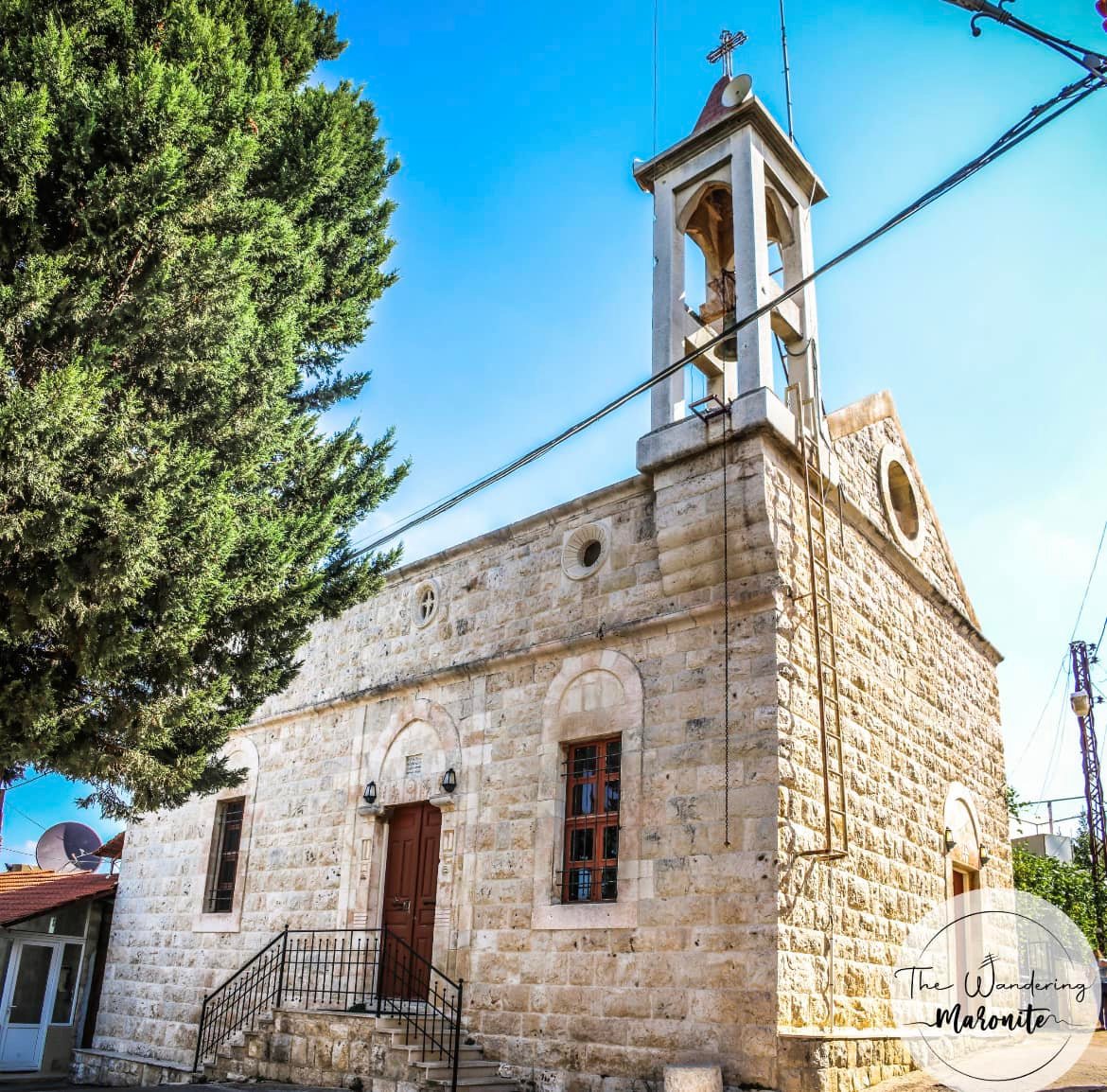
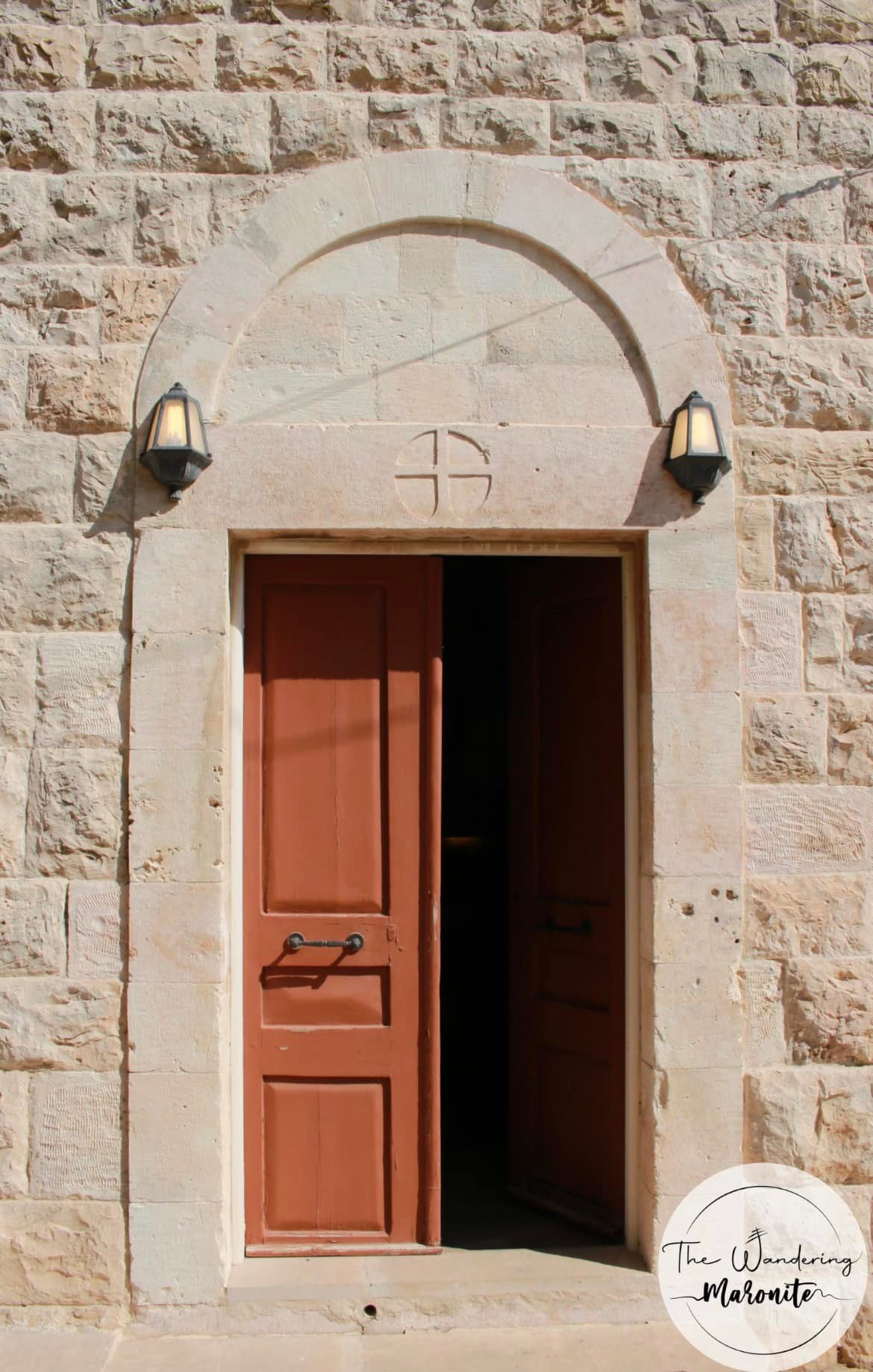
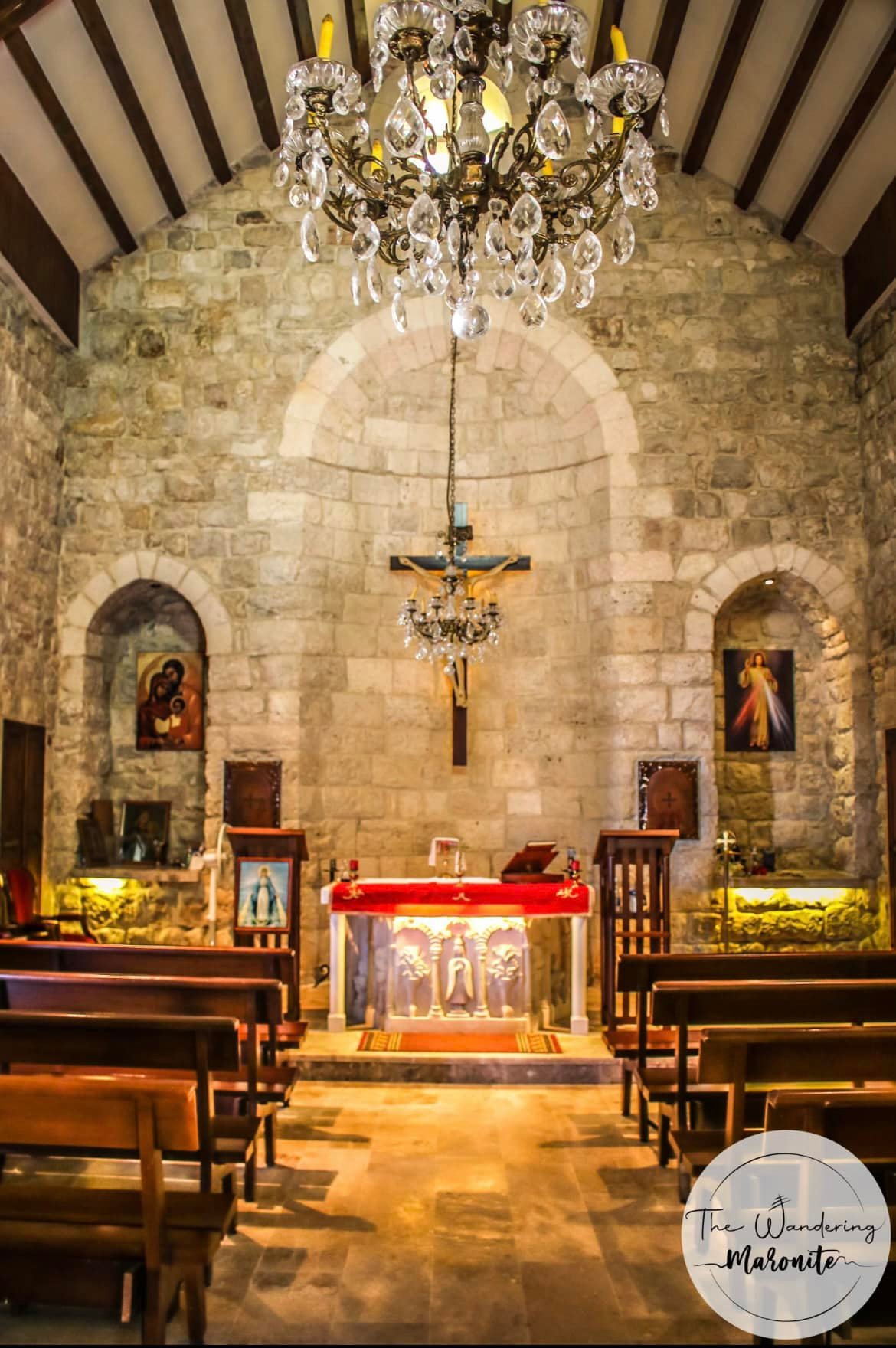
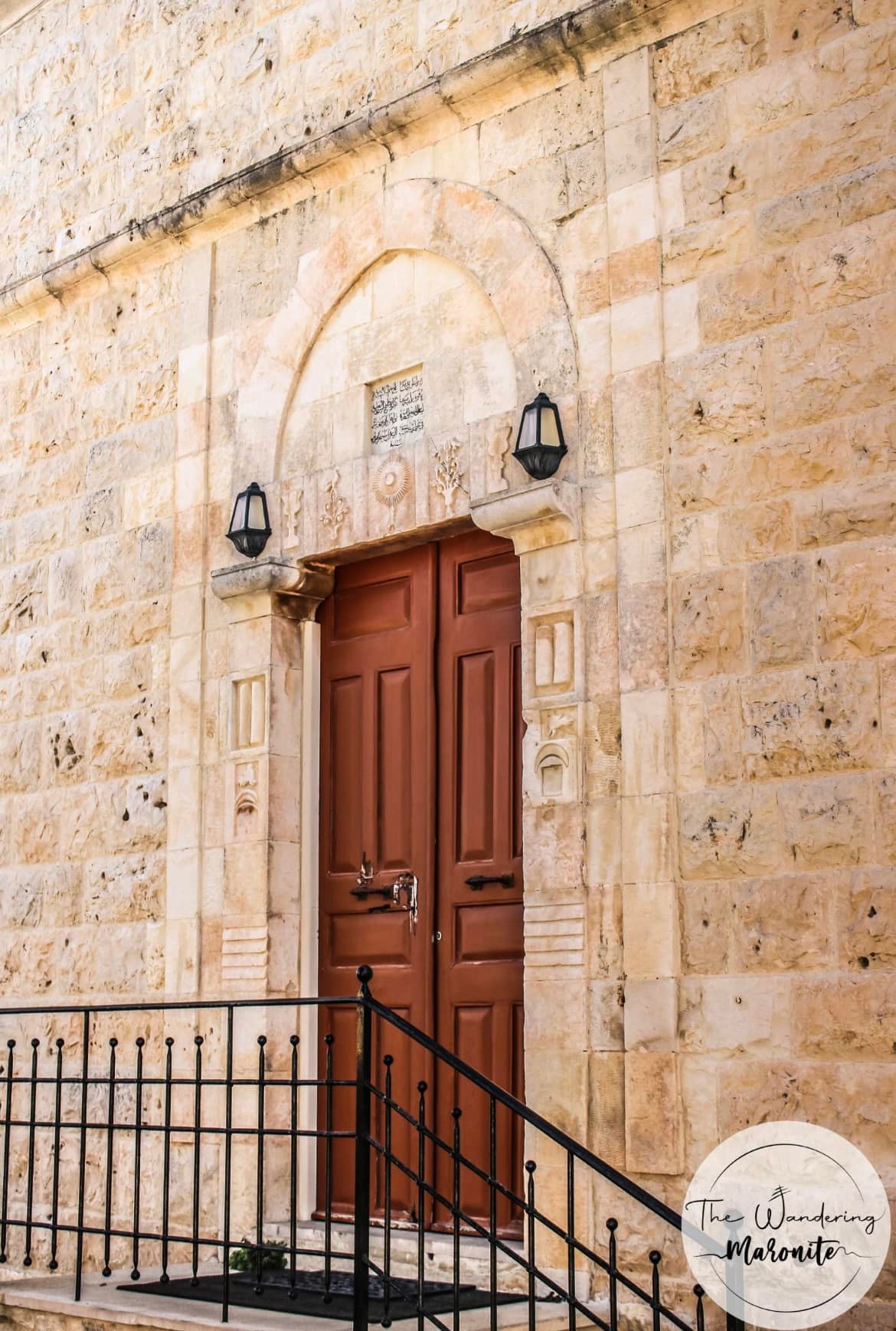
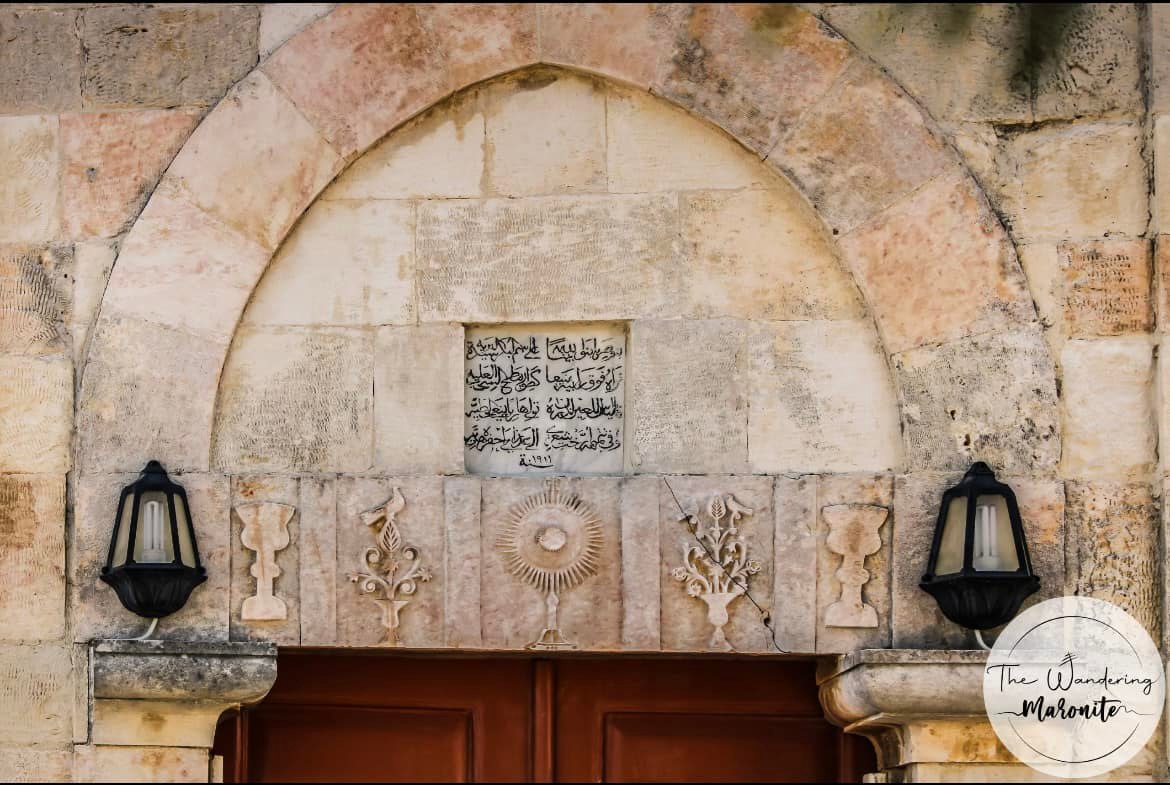
كنيسة السيّدة القديمة - صربا النبطيّةكان البناء أساسًا جزءً تابعًا للقلعة العثمانيّة القريبة منه، إشتراه أهل البلدة وحوّلوه إلى كنيسةٍ كرّسها المطران بولس بصبوص سنة ١٩١١. البناء كناية عن سوقٍ واحد مسقوفٍ بالقرميد. رُمّمت سنة ٢٠٠٥. تحوي الكنيسة لوحةً للعذراء محليّة الصنع تعرّضت للضرب بالرصاص خلال الحرب العالميّة الأولى.The old church of Our Lady - Sarba el NabatiehThe building was originally a part of the nearby Ottoman castle, the villagers bought it and converted it into a church that was consecrated by Bishop Boulos Basbous in 1911. The church consists of a single nave with a brick roof, it was renovated in 2005. In the church is displayed a local painting of the Madonna that holds marks of Ottoman bullets from World War I.
سنة ١٧٠٨ وصل ثلاثة رهبان أرمن إلى لبنان لتأسيس رهبانيّة أرمنيّة، فأوقف لهم الشّيخ صخر الخازن، أراضًا في وادي غوسطا سنة ١٧١٦. فأنشىء الرهبان إكليريكيّة وامتدّ بناء الدير والكنيسة إلى سنة ١٧٣٣. سنة ١٨٦٥ اشترى الخوري يوحنّا حبيب (المطران لاحقًا)، الدّير من الرّهبان الأرمن حيث انتقل هؤلاء إلى بزمّار، وأسّس جمعيّة المرسلين اللّبنانيّين في الدّير مع العديد من الكهنة وفي مقدَّمهم الخوري إسطفان قزاح، الرّئيس العام الأوّل. إهتمّ الكريميوّن ووسّعوه.. وقد كان هذا الدّير ملجأً للعديد من المهجّرين والمشرّدين والجياع والهاربين من ظلم السّلطات العثمانيّة. خضع البناء لعدّة عمليّات ترميم كان آخرها سنة ٢٠١٣. كان الدّير مركزًا للرّئاسة العامّة للجمعية حتّى العام ١٩٢١، وهو حاليًّا ديراً للابتداء، توجد فيه كنيسة المُخلّص وتحوي لوحةً زيتيّةً قديمة،، تدعى "الثّالوث المتألّم"، ولوحة أخرى أرمنيّة للميلاد. وفي الكنيسة أيضًا مدافن عائدة إلى كلّ من المطران يوحنّا الحبيب مؤسّس الجمعيّة، والخوري اسطفان قزاح رئيسها العام الأوّل، والمطران شكرالله خوري، .
The Holy Savior Monastery - Kreim Ghosta
The monastery was established in 1708 by three Armenian monks who arrived in Lebanon with the intention of creating an Armenian monastic order. Located in Wadi Ghosta, Lebanon, the monastery's history is intertwined with various events and figures over the centuries. In 1716, Sheikh Sakhr al-Khazen granted the Armenian monks lands in Wadi Ghosta, enabling them to establish their monastic order. The construction of the monastery and church complex took several decades, finally extending until 1733. It served as a seminary, providing education and spiritual guidance to the community. Fast forward to 1865, and the ownership of the monastery changed hands. Father John Habib, who later became a Bishop, purchased the monastery from the Armenian monks. With this transaction, the Armenian monks relocated to Bzommar, and Father John Habib initiated the Lebanese Missionaries Congregation within the monastery. Many priests were part of this association, and Father Stephen Qazah became its first superior general. Throughout its history, the Holy Savior Monastery played a crucial role in the local community. It served as a refuge for the displaced, homeless, hungry, and those seeking refuge from the oppression of the Ottoman authorities. The monastery experienced several periods of restoration to preserve its historical significance and structural integrity. The last restoration took place in 2013, ensuring that the monastery continued to stand as a testament to its enduring history and cultural importance. The Holy Savior Monastery, historically serving as the center of the general presidency of the association until 1921, has evolved into a monastery dedicated to novices in the present day. Nestled within its walls is the sacred Church of the Savior, housing cherished relics from the past. One of the notable treasures preserved within the church is an ancient oil painting named "The Suffering Trinity." This artwork carries profound emotional depth and holds a place of reverence within the community, reminding all who behold it of the timeless spiritual journey. Adding to the artistic splendor, another precious possession within the church is an Armenian painting depicting the Nativity. This painting enriches the spiritual ambiance of the sanctuary, reflecting the shared heritage and faith of those who seek solace and inspiration within its halls. Moreover, the church stands as a memorial to the esteemed figures who have shaped the legacy of the monastery and the association it represents. The burials of Bishop Youhanna Al-Habib, the visionary founder of the Lebanese Missionaries Association, Father Estephan Qazzah, the dedicated first general president, and Bishop Shukrallah Khoury, a revered spiritual leader, grace the church grounds. As the monastery continues to embrace novices and nurture their spiritual growth, it remains an enduring symbol of devotion, compassion, and hope. The presence of these sacred artifacts and burials serves as a constant reminder of the monastery's illustrious past and the profound impact it has had on the lives of those who seek solace and enlightenment within its sanctuary.
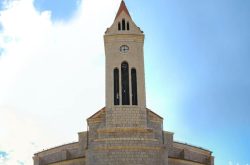
ابتدأ بناؤها سنة ١٨٩٠ وانتهى سنة ١٩١٢. تتميّز بجمال هندستها بحسب الطراز البازيليكيّ الأصيل، وبضخامتها وارتفاع قبّتها بما يقارب ٤٠ مترًا وجمال مذابحها الرخاميّة المصنوعة في إيطالية. صحنها مقسوم ثلاثة أقسام يفصل بين كلٍّ منها صفٌّ من ست ركائز ضخمة من كلّ جهة.
The church of Our Lady of Deliverance - Kfarsghab
The construction of the church began in 1890 and was completed in 1912. The church is a huge basilical structure with a 40 meter bell tower and a three aisle nave with six columns on each side. The church holds magnificent carrera marble altars from Italy.



Reviews are disabled, but trackbacks and pingbacks are open.